



H3 Receptor
H3 receptor functions as a presynaptic histamine autoreceptor that inhibits histamine release in rat cerebral cortex, defining a receptor class pharmacologically distinct from H1 and H2 receptors[1]. Mechanistically, H3 receptor signaling regulates neurotransmitter release, placing HRH3 in central synaptic modulation relevant to cognition, wakefulness, and sleep regulation[2]. In disease-focused research, H3 receptor antagonists and inverse agonists support experimental designs for central nervous system disorders because blocking this inhibitory receptor can increase histaminergic neuronal activity[2][5]. Compared with related H3 receptor isoforms, human HRH3 shows extensive alternative splicing, and several cloned variants from human thalamus are coexpressed in human brain[3][4]. This isoform diversity has practical importance because functional human H3 receptor isoforms show different agonist potency profiles, including increased potency at isoform 2 relative to isoform 1[3]. For experimental applications, thioperamide and (R)-α-methylhistamine were described as selective H3-autoreceptor ligands, while pitolisant represents an H3 receptor inverse agonist advanced into clinical studies for narcolepsy[5][6].
References:
- [1]. Arrang JM, et al. Auto-inhibition of brain histamine release mediated by a novel class (H3) of histamine receptor. Nature. 1983 Apr 28;302(5911):832-7. [Content Brief]
- [2]. Esbenshade TA, et al. The histamine H3 receptor: an attractive target for the treatment of cognitive disorders. Br J Pharmacol. 2008 Jul;154(6):1166-81. [Content Brief]
- [3]. Wellendorph P, et al. Molecular cloning and pharmacology of functionally distinct isoforms of the human histamine H(3) receptor. Neuropharmacology. 2002 Jun;42(7):929-40. [Content Brief]
- [4]. Francis COGÉ, et al. Genomic organization and characterization of splice variants of the human histamine H3 receptor. Biochem J 15 April 2001; 355 (2): 279-288.
- [5]. Schwartz JC. The histamine H3 receptor: from discovery to clinical trials with pitolisant. Br J Pharmacol. 2011 Jun;163(4):713-21. doi: 10.1111/j.1476-5381.2011.01286.x. PMID: 21615387; PMCID: PMC3111674. et al. The histamine H3 receptor: from discovery to clinical trials with pitolisant. Br J Pharmacol. 2011 Jun;163(4):713-21. [Content Brief]
- [6]. Dauvilliers Y, et al. Pitolisant versus placebo or modafinil in patients with narcolepsy: a double-blind, randomised trial. Lancet Neurol. 2013 Nov;12(11):1068-75. [Content Brief]
-
H3 Receptor Related Products (60)
Related Products (60)

-
Amitriptyline hydrochloride
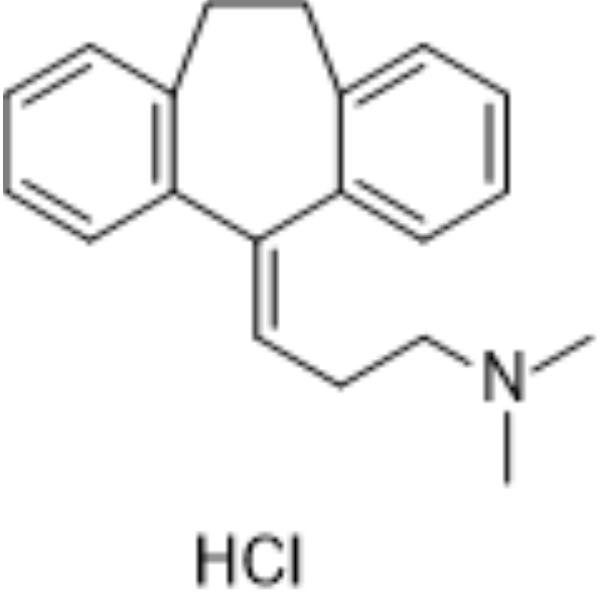 0 ImagesAmitriptyline hydrochloride is an orally active tricyclic antidepressant (TCA). Amitriptyline hydrochloride mainly exerts its antidepressant effect by blocking SERT (Ki = 3.45 nM) and NET (Ki = 13.3 nM), thereby increasing the concentrations of 5-hydroxytryptamine (5-HT) and norepinephrine (NE) in the synaptic cleft. Amitriptyline hydrochloride is also an agonist at α2A and TrkA/TrkB receptors, thereby exerting analgesic and neurotrophic activities (inhibiting cell apoptosis). Amitriptyline hydrochloride can reduce inflammation, angiogenesis and fibrosis. Amitriptyline hydrochloride binds to DAT (with Ki = 2.58 μM). Amitriptyline hydrochloride has high affinity for a series of receptors and can antagonize muscarinic cholinergic receptors (M1/M2/M3/M4/M5 receptors) (Ki = 11-24 nM), H1 receptors (Ki = 0.5-1.1 nM), adrenergic α1 receptors (Ki = 4.4 nM), etc., resulting in a series of side effects. Amitriptyline hydrochloride can block sodium channels and hERG potassium channel (IC50 = 4.78 μM) and it has cardiotoxicity.
-
Pitolisant hydrochloride
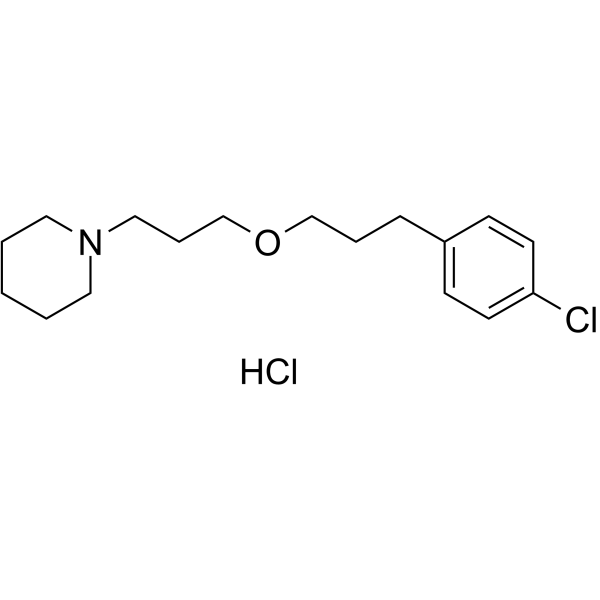 0 ImagesSynonyms: Ciproxidine; BF 2649Pitolisant hydrochloride is a potent and selective nonimidazole inverse agonist at the recombinant human histamine H3 receptor (Ki=0.16 nM).
-
Betahistine
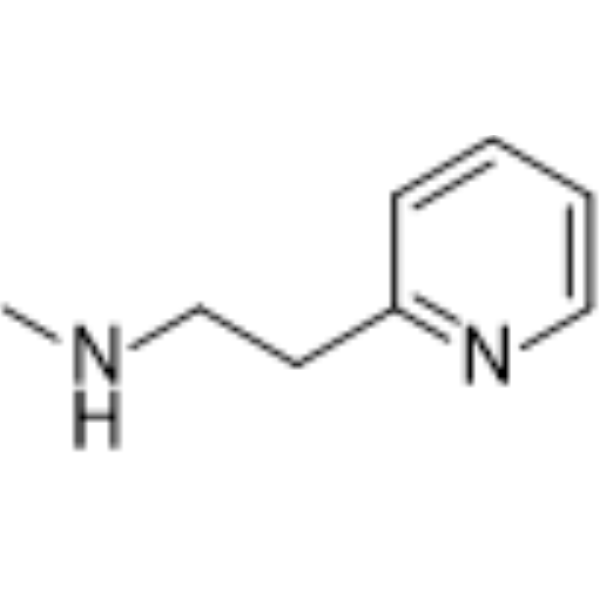 0 ImagesBetahistine is an orally active histamine H1 receptor agonist and a H3 receptor antagonist. Betahistine is used for the study of rheumatoid arthritis (RA).
-
Betahistine dihydrochloride
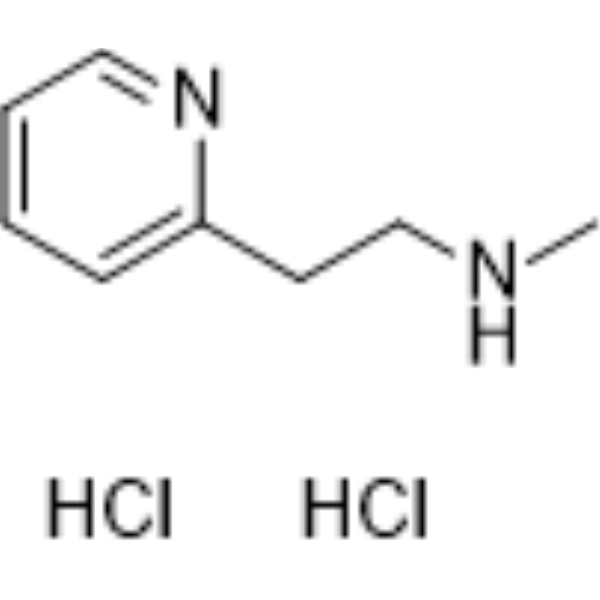 0 ImagesBetahistine dihydrochloride is an orally active histamine H1 receptor agonist and a H3 receptor antagonist. Betahistine dihydrochloride is used for the study of rheumatoid arthritis (RA).
-
N-Methylhistamine dihydrochloride
 0 ImagesSynonyms: Nα-Methylhistamine dihydrochlorideN-Methylhistamine dihydrochloride (Nα-Methylhistamine dihydrochloride) is a non-selective Histamine receptor agonist. N-Methylhistamine dihydrochloride activates histamine H1, H2 and H3 receptors; it stimulates central H1 receptors by activating sympathetic α and β adrenergic receptors to inhibit intestinal transit, exerts dose-dependent inhibition on intestinal transit, reduces histamine turnover in mouse brains, and increases gastric acid secretion without altering plasma gastrin concentrations. N-Methylhistamine dihydrochloride produces a pH-dependent, voltage-independent potentiating effect on acid-sensing ion channel 1a, and shows no significant activity toward homologous ASIC2a channels. N-Methylhistamine dihydrochloride can be used in studies related to Helicobacter pylori infection.
-
MK-3134
 0 ImagesCat. No.: HY-182581CAS No.: 862310-66-5MK-3134 is an orally active, brain-penetrant and selective histamine H3 receptor inverse agonist. MK-3134 modulates histaminergic neurotransmission, decreases constitutive H3 receptor signaling, releases tonic inhibition of neurotransmitter release, potentiates neurotransmission, and may enhance cholinergic neurotransmission. MK-3134 can be used for the research of Alzheimer's disease.
-
σ1R/H3R ligand-1
 0 ImagesCat. No.: HY-181722σ1R/H3R ligand-1 is a dual σ1R/H3R antagonist with a σ1R Ki of 8.8 nM and an H3R Ki of 31.2 nM. Through the dual action of simultaneously antagonizing σ1R and H3R, σ1R/H3R ligand-1 exhibits potent dose-dependent analgesic activity in mouse models of visceral pain and neuropathic pain. σ1R/H3R ligand-1 can be used for the research of visceral pain and neuropathic pain.
-
BP1.3656B
 0 ImagesCat. No.: HY-181960CAS No.: 914302-78-6BP1.3656B is a selective, orally active, blood-brain barrier-permeable histamine H3 receptor (histamine H3 receptor) inverse agonist/antagonist, with a KB value of 0.08 nM for antagonizing agonist-induced activity and an IC50 value of 0.38 nM for directly inhibiting the basal activity of the receptor. BP1.3656B reduces alcohol consumption, alcohol-seeking behavior, alcohol self-administration, motivation to drink, alcohol relapse, alcohol-induced hyperlocomotion, and binge alcohol intake. BP1.3656B is applicable for the research of alcohol use disorder.
-
GSK239512
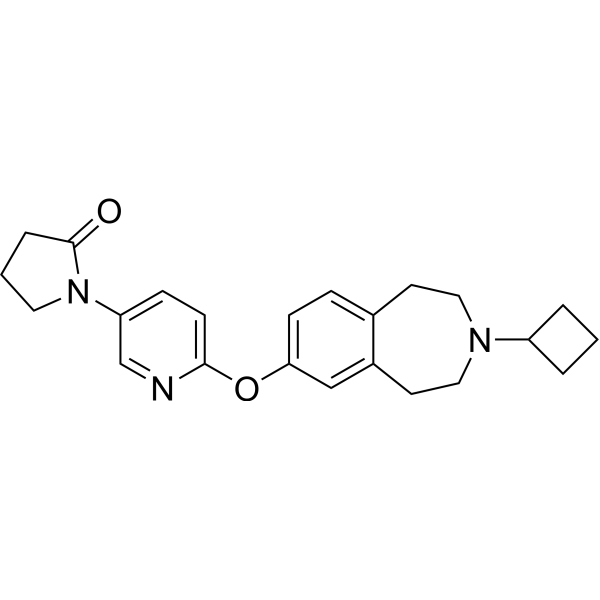 0 ImagesGSK239512 is a blood-brain barrier-permeable, orally active H3 receptor antagonist, with a human pKi ranging from <5.5 to 9.92 and a murine pKi ranging from 9.44 to 9.83. GSK239512 modulates cholinergic and monoaminergic neurotransmission, blocks the inhibitory feedback of H3 receptors, and increases the release of pro-cognitive neurotransmitters. GSK239512 induces oligodendrocyte precursor cell differentiation and restores myelin gene expression at the cellular level. GSK239512 reverses Scopolamine (HY-N0296)-induced memory deficits and improves recognition memory in animal models. GSK239512 can be used in research related to Alzheimer's disease, chronic traumatic encephalopathy, relapsing-remitting multiple sclerosis, and schizophrenia.
-
GSK189254A
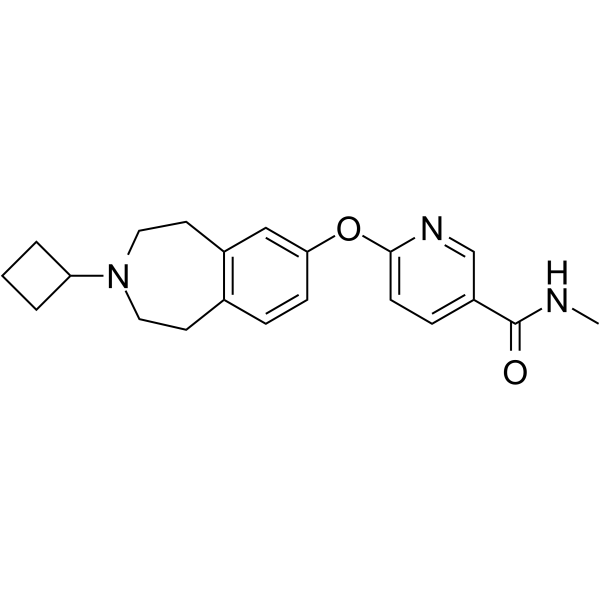 0 ImagesSynonyms: GSK189254 free baseGSK189254A (GSK189254 free base) is a novel, potent and selective histamine H3 receptor antagonist with pKi values of 9.59-9.90 and 8.51-9.17 for human and rat H3, respectively.
-
(R)-(-)-α-Methylhistamine dihydrochloride
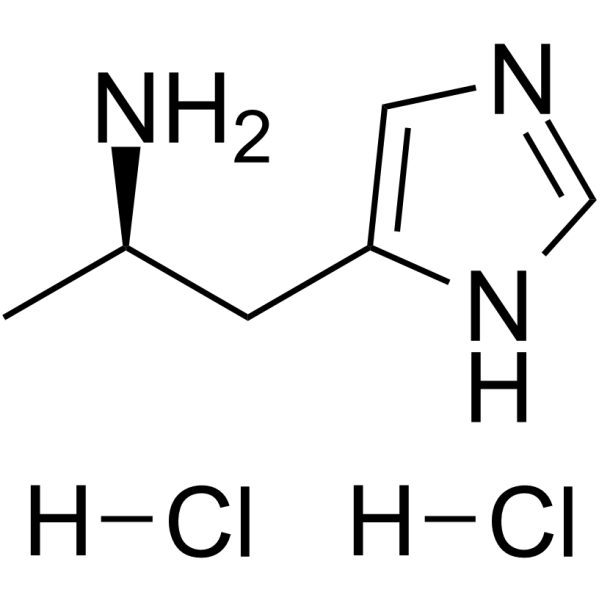 0 Images(R)-(-)-α-Methylhistamine dihydrochloride is a potent, selective and brain-penetrant agonist of H3 histamine receptor, with a Kd of 50.3 nM. (R)-(-)-α-Methylhistamine dihydrochloride can enhance memory retention, attenuates memory impairment in rats.
-
JNJ-5207852
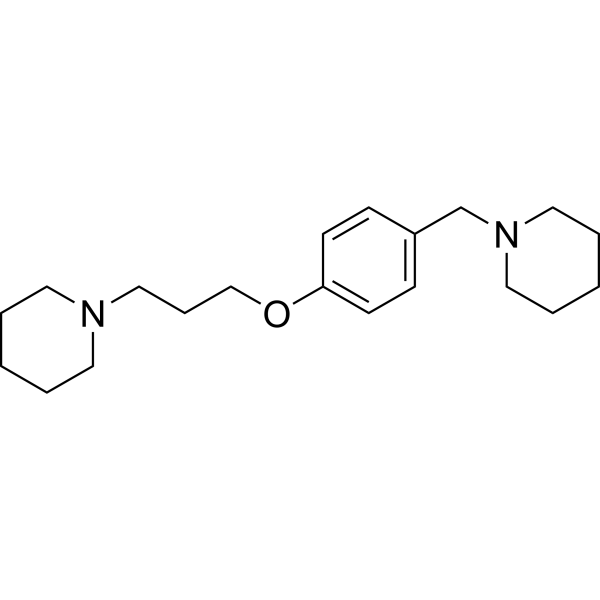 0 ImagesJNJ-5207852 is a selective and potent histamine H3 receptor (H3R) antagonist, with pKis of 8.9, 9.24 for rat and human H3R, respectively.
-
Ciproxifan maleate
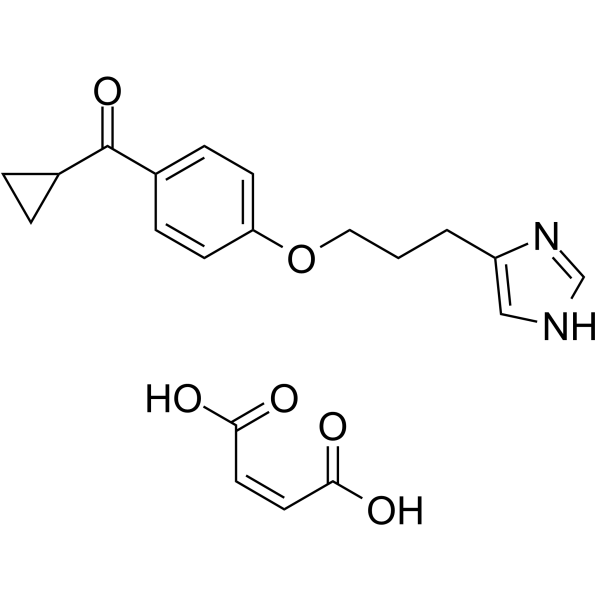 0 ImagesSynonyms: FUB 359 maleateCiproxifan maleate (FUB 359 maleate) is a potent, selective, orally bioavailable and competitive antagonist of histamine H3-receptor, with an IC50 of 9.2 nM. Ciproxifan maleate displays low apparent affinity at other receptor subtypes. Ciproxifan maleate can be used for the research of aging disorders and Alzheimer's disease.
-
Imetit dihydrobromide
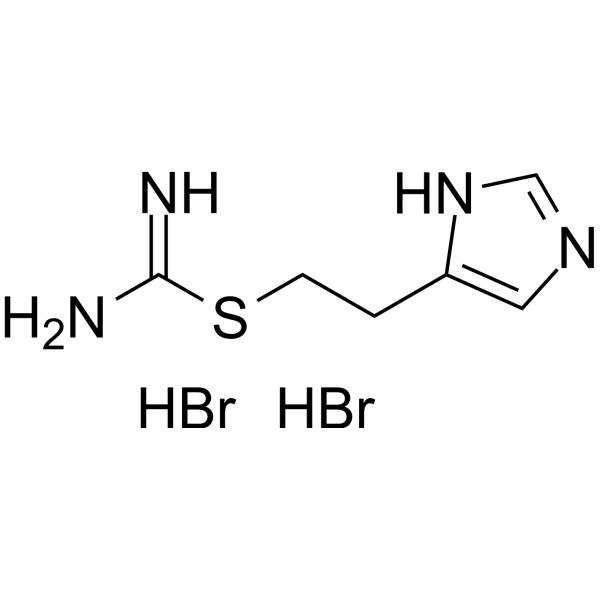 0 ImagesSynonyms: VUF 8325 dihydrobromide; SKF 91105 dihydrobromideImetit dihydrobromide (VUF 8325 dihydrobromide) is a high affinity and potent agonist of histamine H3 and H4 receptors, with Ki values of 0.3 and 2.7 nM, respectively. Imetit mimics histamine effect in triggering a shape change in eosinophils (EC50=25 nM).
-
Bavisant
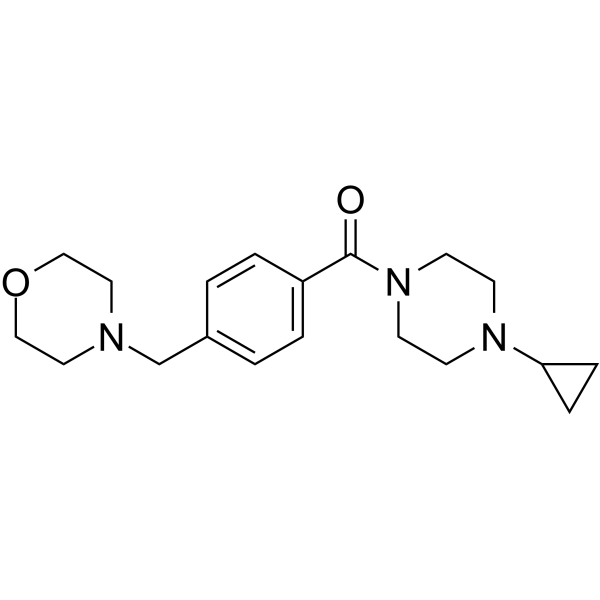 0 ImagesSynonyms: JNJ-31001074Bavisant (JNJ-31001074) is an orally active, potent, brain-penetrating and highly selective antagonist of the histamine H3 receptor. Bavisant can be used for attention-deficit hyperactivity disorder (ADHD) research.
-
Ciproxifan
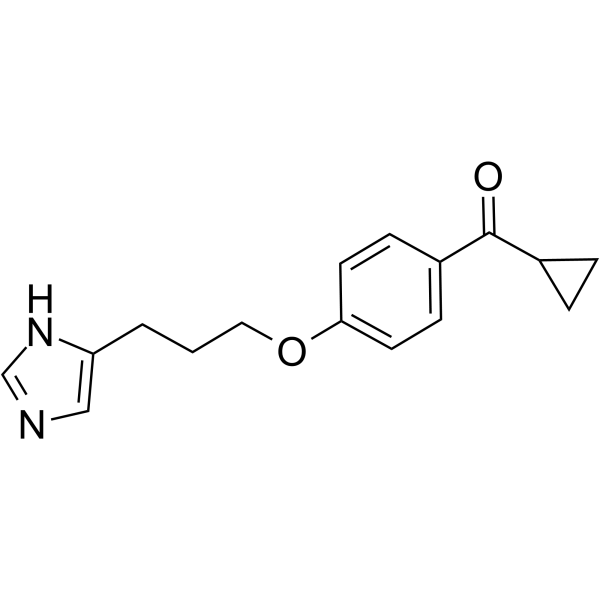 0 ImagesSynonyms: FUB-359Ciproxifan (FUB 359) is a potent, selective, orally bioavailable and competitive antagonist of histamine H3-receptor, with an IC50 of 9.2 nM. Ciproxifan displays low apparent affinity at other receptor subtypes. Ciproxifan can be used for the research of aging disorders and Alzheimer's disease.
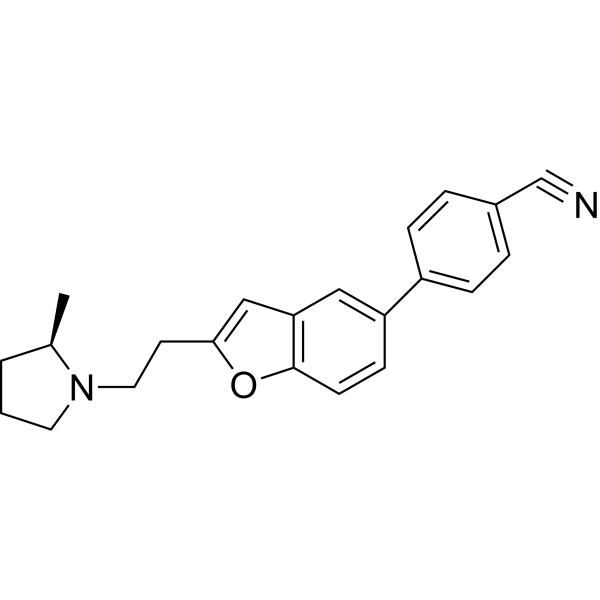
-
Tiotidine
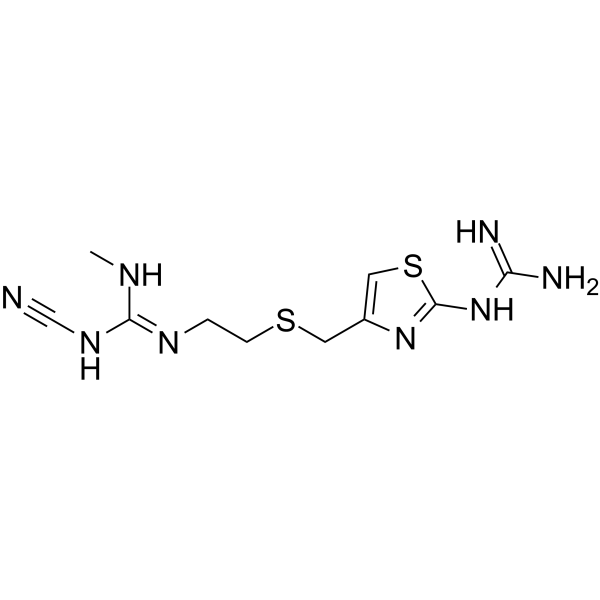 0 ImagesSynonyms: ICI 125211Tiotidine (ICI 125211) is a potent and selective antagonist of histamine H2-receptor (pA2=7.3-7.8 for guinea-pig right atrium). Tiotidine has low affinity for both the H1 and the H3 receptors.
-
Irdabisant
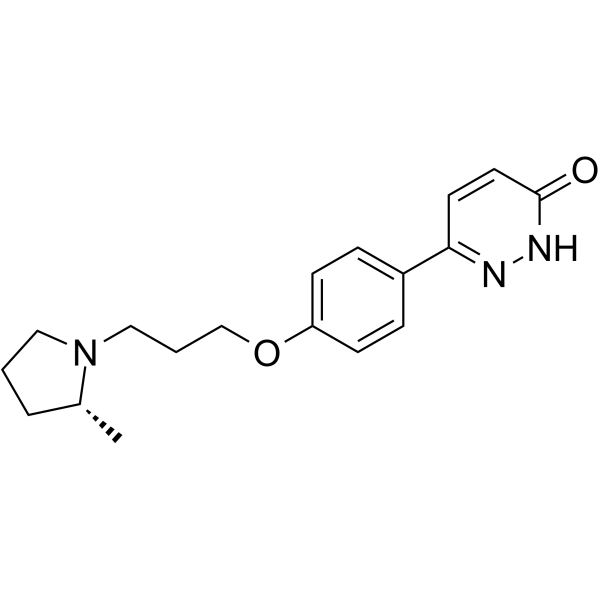 0 ImagesSynonyms: CEP-26401Irdabisant (CEP-26401) is a selective, orally active and blood-brain barrier (BBB) penetrant histamine H3 receptor (H3R) inverse agonist/inverse agonist with Ki values of 7.2 nM and 2.0 nM for rat H3R and human H3R, respectively. Irdabisant has relatively low inhibitory activity against hERG current with an IC50 of 13.8 μM. Irdabisant has cognition-enhancing and wake-promoting activities in the rat social recognition model. Irdabisant can be used to research schizophrenia or cognitive impairment.
-
Clobenpropit dihydrobromide
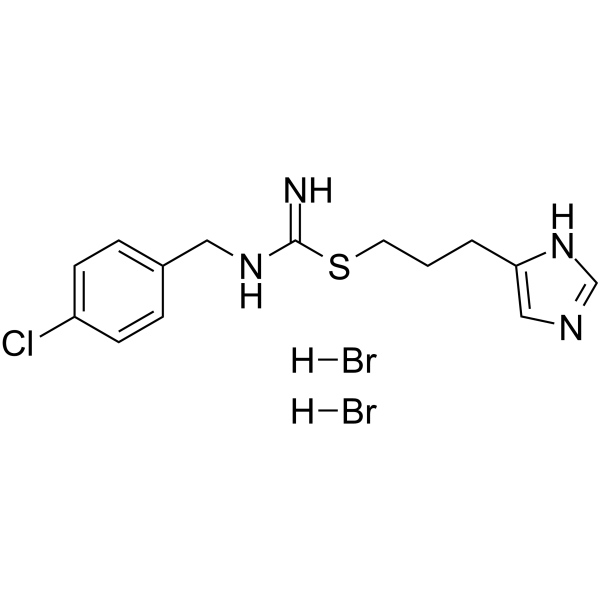 0 ImagesClobenpropit dihydrobromide is a potent histamine H3R antagonist/inverse agonist with a pEC50 of 8.07 for histamine H3LR. Clobenpropit dihydrobromide acts as partial agonist at histamine H4 receptors (Ki 13 nM). Clobenpropit dihydrobromide also binds to serotonin 5-HT3 receptors (Ki 7.4 nM) and α2A/α2C adrenoceptors (Ki 17.4/7.8 nM). Clobenpropit dihydrobromide increases apoptosis.



